Take stock. Know where you stand.
Before work starts, people need to know where they stand.
Is everything here?
Is it where it should be?
Has it been serviced?
Is anything missing?
Has anything changed?
G2G helps turn those questions into an answer people can use.
- Good to go
- Needs attention
- Not ready
Preparing, without the extra complexity.
1. The work creates information.
An inspection gets completed.
A service is signed off.
A tag is scanned.
A checklist is finished.
A location changes.
Someone notices a problem.
2. G2G brings the pieces together.
The answer rarely comes from one thing.
G2G brings together the signals that matter so people don’t have to piece the story together themselves.
3. People know what needs attention.
The point isn’t more data.
The point is knowing where you stand before the work starts.
If it is ready, you’re good.
If something needs attention, you know where to start.
Built for the people doing the job.
People shouldn’t have to work around software.
Software should work around them.
G2G fits into the way work already happens — using the tools that make sense for the job
 RFID.
RFID. Handheld readers.
 BLE.
BLE. GPS.
GPS.
Technology does the carrying.
The tools aren’t the point. Helping people prepare is. Different tools provide different signals. G2G brings them together.
- RFID can tell you something is there.
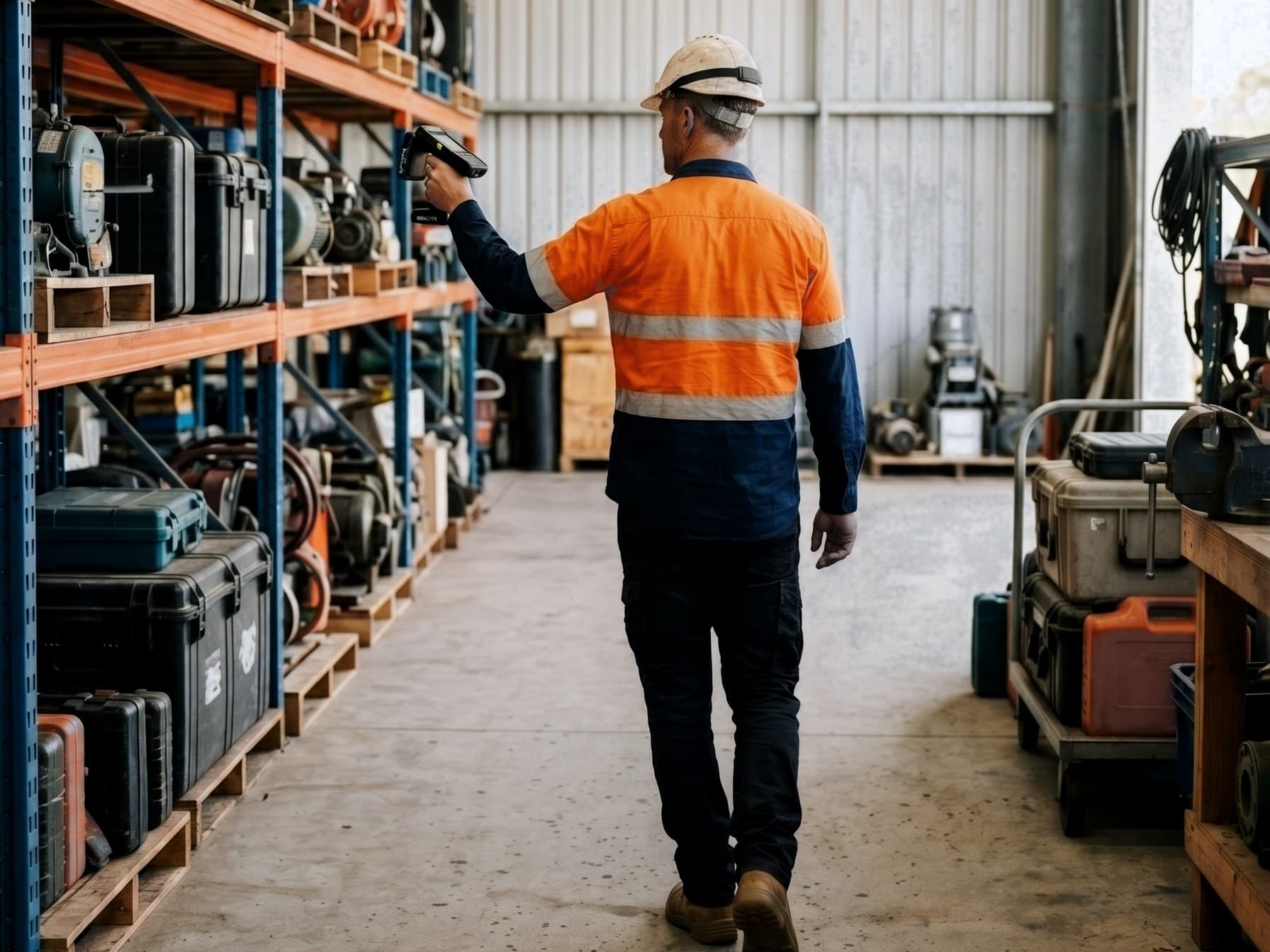
- A handheld reader can tell you what’s in front of you.
- BLE can tell you something is nearby.
- GPS can tell you where something is.
- A checklist can tell you a check was completed.
- A service record can tell you work was done.
- AI can help make sense of information.
- And when there’s no signal, G2G can keep working.
The best outcome is less to think about.
When people know they’re ready, they don’t need to think about the software.
They get on with the job.